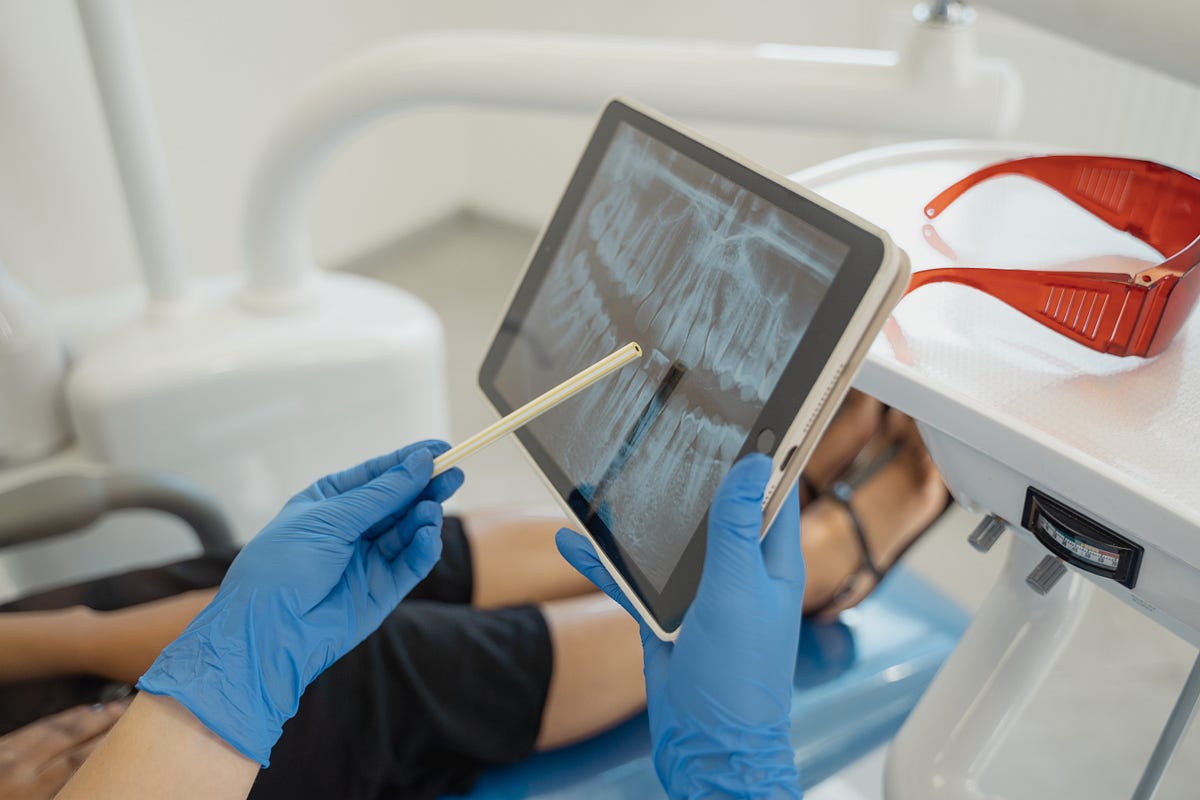
In dentistry, an individual’s bite refers to the alignment between the upper and lower teeth when the jaw is closed. While most people do not have an ideal bite, their issues are usually cosmetic. However, there are some situations where the misalignment can cause oral health issues. These conditions, known as malocclusions, require orthodontic care to correct.
The most common types of malocclusions are over positioning of the jaws. Underbites occur when the lower jaw protrudes forward. This pushes the lower teeth out, which can sometimes cover the upper teeth and lip. In extreme cases, underbites can cause chronic pain and nerve damage in the jaw.
Conversely, with an overbite, the upper front teeth are forward in relation to the lower teeth. Deep overbites, where the top teeth are far from the bottom teeth, can contribute to chewing issues. Both conditions place additional pressure on the jaw and teeth and may accelerate enamel deterioration. Orthodontists will use braces to realign the bite. Severe cases may require jaw-aligning surgery.
If single or multiple teeth fit in front or behind other teeth, this is known as a crossbite. In an anterior crossbite, front lower teeth cover a top tooth or teeth. If the condition affects molars or other back teeth, it is called a posterior crossbite. Since crossbites cause teeth to constantly grind against each other, they can cause severe damage to the enamel over time. Crossbites also impact the shape of the jaw and can cause facial deformities. Children should be screened for crossbites before they begin to lose their baby teeth.
Open bites refer to front teeth that do not touch when the back teeth are touching. This condition can be the result of genetic or environmental factors. For example, people with small teeth are more likely to have an open bite. However, this condition can also be exacerbated by childhood behaviors such as thumb-sucking or constant mouth breathing. Open bites can make it difficult to produce certain sounds and may cause speech impediments.
Other malocclusions are the result of too much or too little space between adult teeth. Food and bacteria can collect in wide spaces and cause tooth decay and gum disease. Small spaces can also harbor bacteria, as it can be difficult to remove plaque from the teeth. Braces can resolve spacing issues, but sometimes a tooth extraction is necessary.
Protruding teeth can cause both cosmetic and health issues. Severely protruding front teeth often push against the lips. Since the mouth is always slightly open, gum tissues tend to dry out. Without saliva to wash away acids and bacteria, teeth are more likely to develop cavities and other infections. These teeth are also more vulnerable to blunt force injury from falls or accidents.
The dental midline refers to the line that goes between the four front upper and lower teeth. This line should follow the middle of the face. If baby teeth come in too early, or if adult teeth do not come in at all, it can cause a misalignment with the dental midline. This gives the smile an asymmetrical appearance. Tooth extraction and braces can usually correct this issue over time.